
Direct antwoord: A successful custom promotional umbrella project starts with the right product model and a usable branding brief. Buyers should provide vector artwork, colour references, logo position, quantity, packaging and a required arrival date. The manufacturer can then convert that brief into a mock-up, a physical sample and measurable quality criteria. A price cannot be compared fairly when the canopy, frame, printing and presentation differ.
This guide is for communications agencies, promotional product distributors, hotels, corporate teams, brands and event organizers. The photographs come from Ark Umbrella’s real company archive. Lead times, prices and minimum quantities are not presented as fixed values because they must be confirmed for the umbrella type, branding method and degree of customization selected for each project.
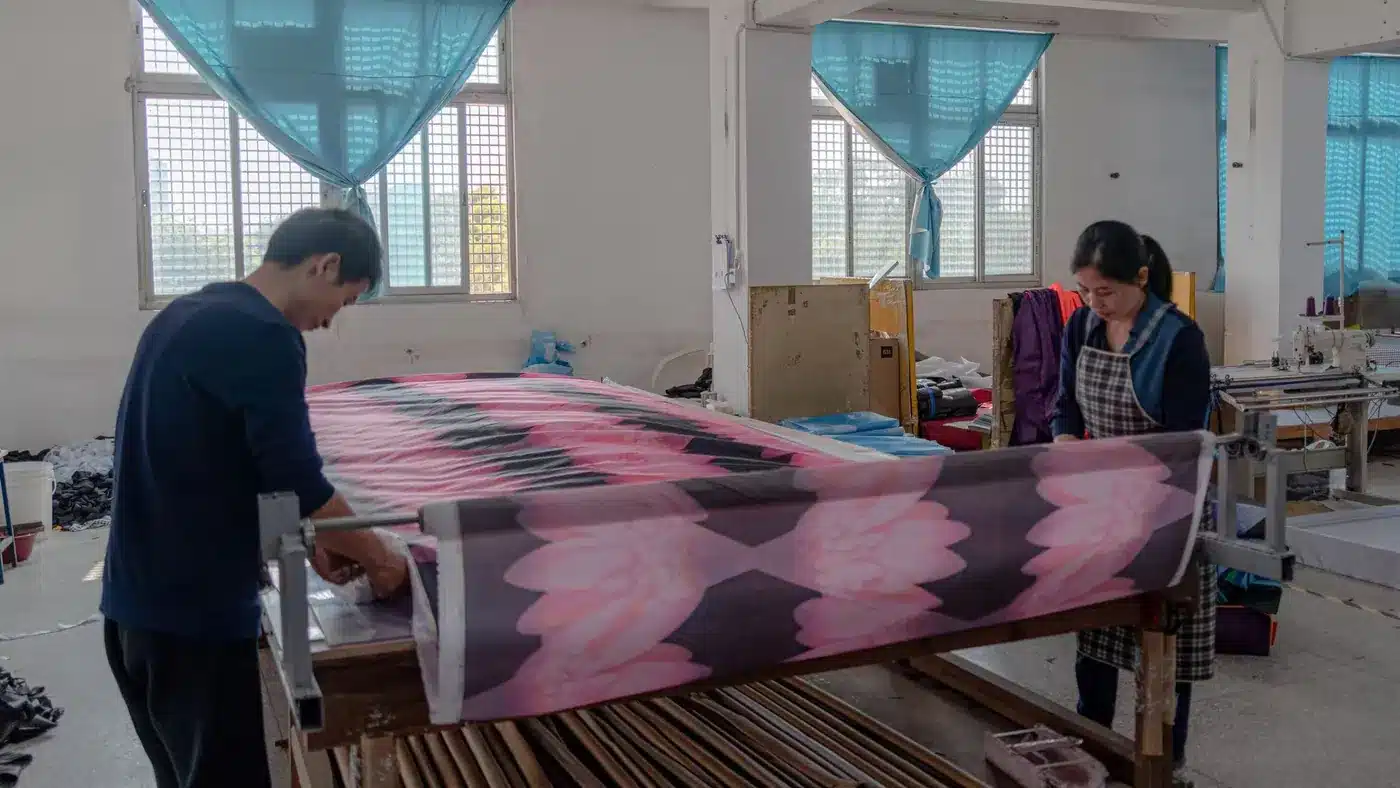
Start with the use case, not the printing technique
An umbrella for a trade show has a different job from a premium client gift, hotel loan umbrella or retail product. The setting determines size, weight, durability, handle style, communication area and packaging. A folding model is easy to distribute and ship. A straight or golf umbrella has greater visual presence and a larger branding area.
Before requesting a quotation, describe the audience, distribution channel and expected service life. The Ark Umbrella manufacturer team can then match the brief to a suitable frame and canopy rather than simply placing a logo on a poorly suited stock model.
Prepare a complete branding brief
The brief should include vector artwork, colour references, desired logo width, number of printed panels, orientation, distance from seams and any protected clear space. Also state whether the sleeve, closing strap, handle, hang tag or carton needs branding.
If only a bitmap file is available, ask whether vectorization is required before approving the price. A blurred logo or poor colour separation can create irregular edges. Gradients, photographs and large solid areas need a different production review from a simple one-colour mark.
Choose the right visibility area
- One panel: a clear option for corporate gifts and controlled budgets.
- Two or four panels: visibility from several angles during an event.
- Full-panel print: strong identity, with more demanding artwork preparation and alignment.
- Sleeve and strap: valuable when a folding umbrella is carried closed.
- Handle and label: discreet details for premium or retail presentation.
The best location is not always the largest. A very wide logo can distort on a curved canopy, and a seam through the artwork can reduce legibility. The approval should show the umbrella open and, where relevant, closed inside its sleeve.
Understand the main printing options
The choice depends on colour count, print area, canopy material, quantity and the expected appearance. Screen printing often suits simple, crisp logos. Transfer or digital methods may suit more complex artwork. Printing on coated or textured fabric needs testing because adhesion and colour can vary.
Do not approve a process from its name alone. Ask which method is proposed for the actual file, what limitations apply and how colour will be controlled. The same ink can look different on white, coloured and black canopy fabric.
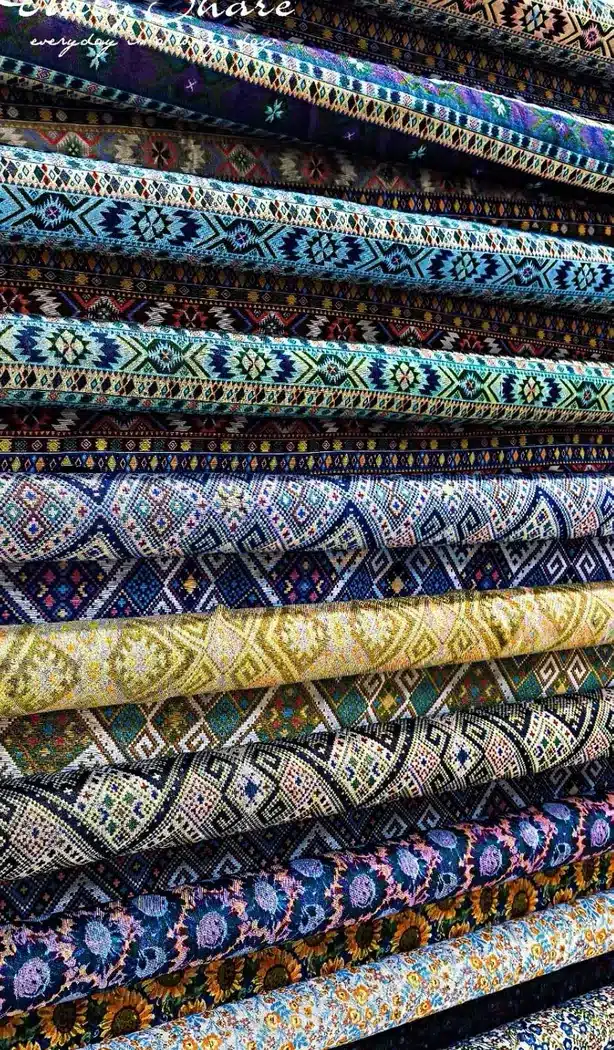
Move from digital mock-up to physical sample
The digital mock-up confirms the model, general colour, number of logos and their position. It cannot precisely show texture, canopy tension, gloss, opacity or final edge definition. For an important campaign, a physical sample reduces risk before mass production.
When the sample arrives, open and close it several times. Measure the logo, check its position against the seams, compare colour with the target in normal lighting and review the sleeve and packaging. Return a written approval with photographs and a version number.
Define a usable print approval record
The approval record should identify the umbrella model, canopy colour, logo dimensions, colour references, printing process, affected panels and artwork version. It should also state what cannot change after approval. If the supplier needs to replace a material or component, buyer consent is required before production.
Build a quality-control plan for the complete product
Promotional umbrella quality is not limited to printing. Inspection should cover the opening mechanism, ribs, shaft, tips, handle, seams, canopy tension, closure, sleeve and packing. Printing adds position, dimensions, definition, colour, coverage and stain checks.
Gebruik de umbrella quality-control checklist for B2B buyers as a starting point, then adapt it to the project risk. A few hundred event gifts create a different exposure from a multi-market retail launch.
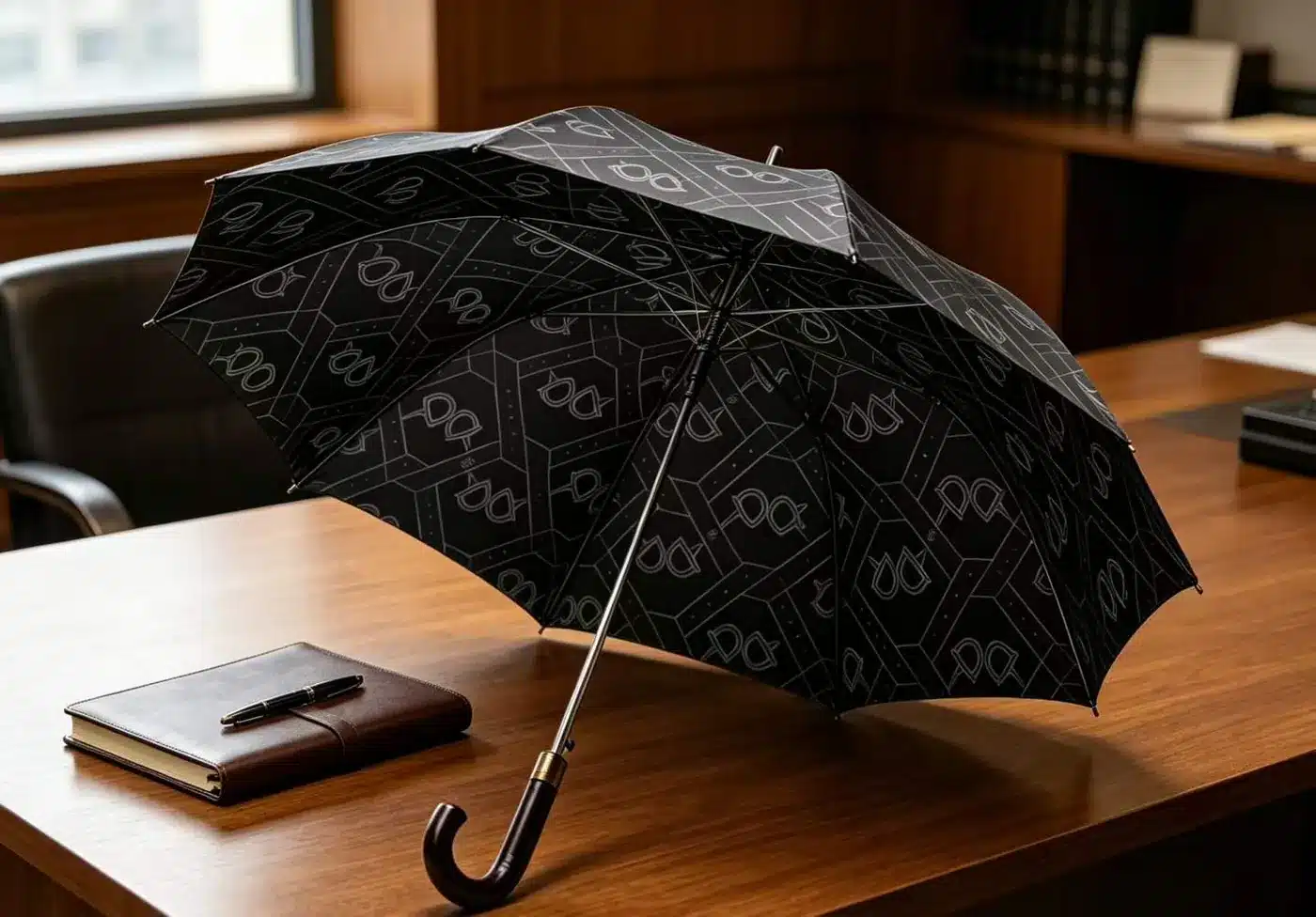
Compare quotations on the same basis
Ask every supplier to quote the same specification. The offer should separate the product, printing, sample, setup charges, packaging, inspection and delivery basis. Check the validity period and how a change in quantity or artwork affects the figures.
A lower price may use a different canopy, frame or packing method. A higher price is justified only when the differences are written and useful. The comparison sheet must connect every price to one controlled configuration.
Plan the minimum quantity and schedule together
The minimum quantity depends on whether the model and colour are standard or custom, the printing method, special components and packaging. Ask for the minimum applicable to the exact configuration and whether a pre-production sample is possible. The schedule should include briefing, artwork, sampling, sample transport, approval, material preparation, production, inspection, packing and freight.
The simplest way to prevent a last-minute rush is to set a deadline for approving the print and sample. If that date moves, the supplier should recalculate the schedule rather than promise the same departure without evidence.
Plan compliance and traceability
For products placed on the European market, the importer must determine the obligations that apply to the product and channel. The EU General Product Safety Regulation 2023/988 provides the general framework from 13 December 2024. Traceability information, operator responsibilities and risk assessment should be organized with qualified advisers. This guide does not replace legal advice.
Recommended brief for the manufacturer
- Use: promotion, event, hotel, retail, client gift or internal team.
- Buying route: state whether the comparison includes a manufacturer or wholesaler and require the same specification.
- Model: folding, straight, golf, transparent, reverse or another format.
- Construction: size, opening system, canopy, coating, ribs, shaft and handle.
- Branding: vector artwork, colours, dimensions, panels and accessories.
- Quantity: initial volume, repeat-order potential and destination.
- Approval: mock-up, physical sample, approval record and inspection criteria.
- Logistics: individual packaging, cartons, labels and delivery date.
Veelgestelde vragen
Which model works best for promotional umbrellas?
A folding umbrella suits portable gifts. A straight umbrella gives a classic presentation. A golf umbrella maximizes area and visibility. Choose according to the audience, budget and distribution channel.
Can several panels be printed?
Yes, but price, alignment and inspection requirements change. Specify the exact number of panels and approve a mock-up that shows every printed face.
Does a Pantone reference guarantee the final colour?
It provides a target, not an absolute guarantee on every fabric. Material, background colour, ink and lighting affect appearance. A physical sample remains the strongest approval.
Where can buyers learn more about sourcing?
Read the Veelgestelde vragen over het vinden van een paraplu op maat en de Nederlandse koopgids.
Request a quotation that can be checked
For a custom-logo umbrella project, send Ark Umbrella the required model, quantity, colours, branding areas, packaging, target date and destination market. The team can then confirm feasibility, the sample route, a project-specific minimum quantity and a quotation based on one controlled specification.