
RPET umbrella fabric is a recycled-material option for custom umbrella projects. Before using it in promotional products, retail umbrellas or corporate gifts, buyers should confirm the recycled proportion, the canopy component covered by the claim, and supporting order documentation. Performance and environmental impact require their own evidence.
This guide explains the key points wholesale buyers should know before sourcing RPET umbrellas, including recycled PET material, fabric performance, MOQ, certification, printing, packaging and quality control.
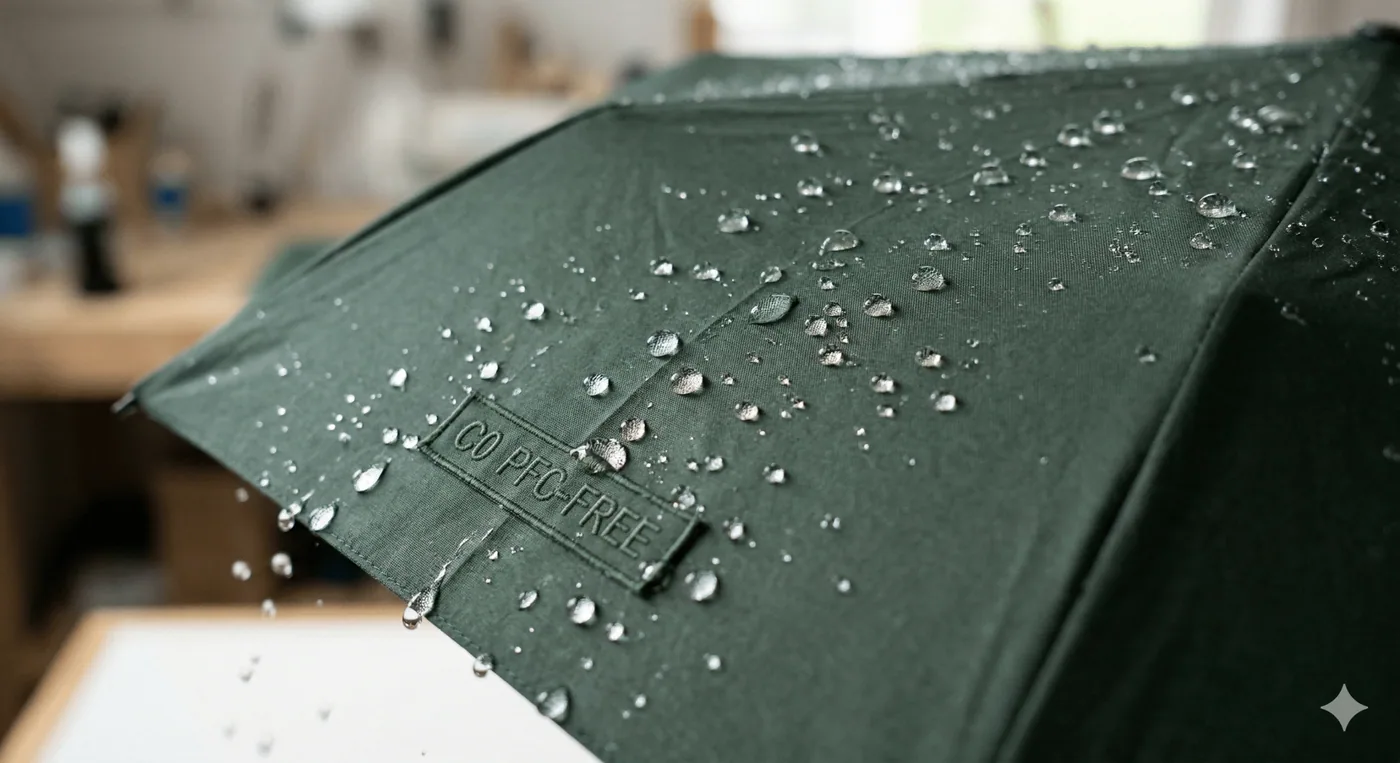
What Is RPET Umbrella Fabric?
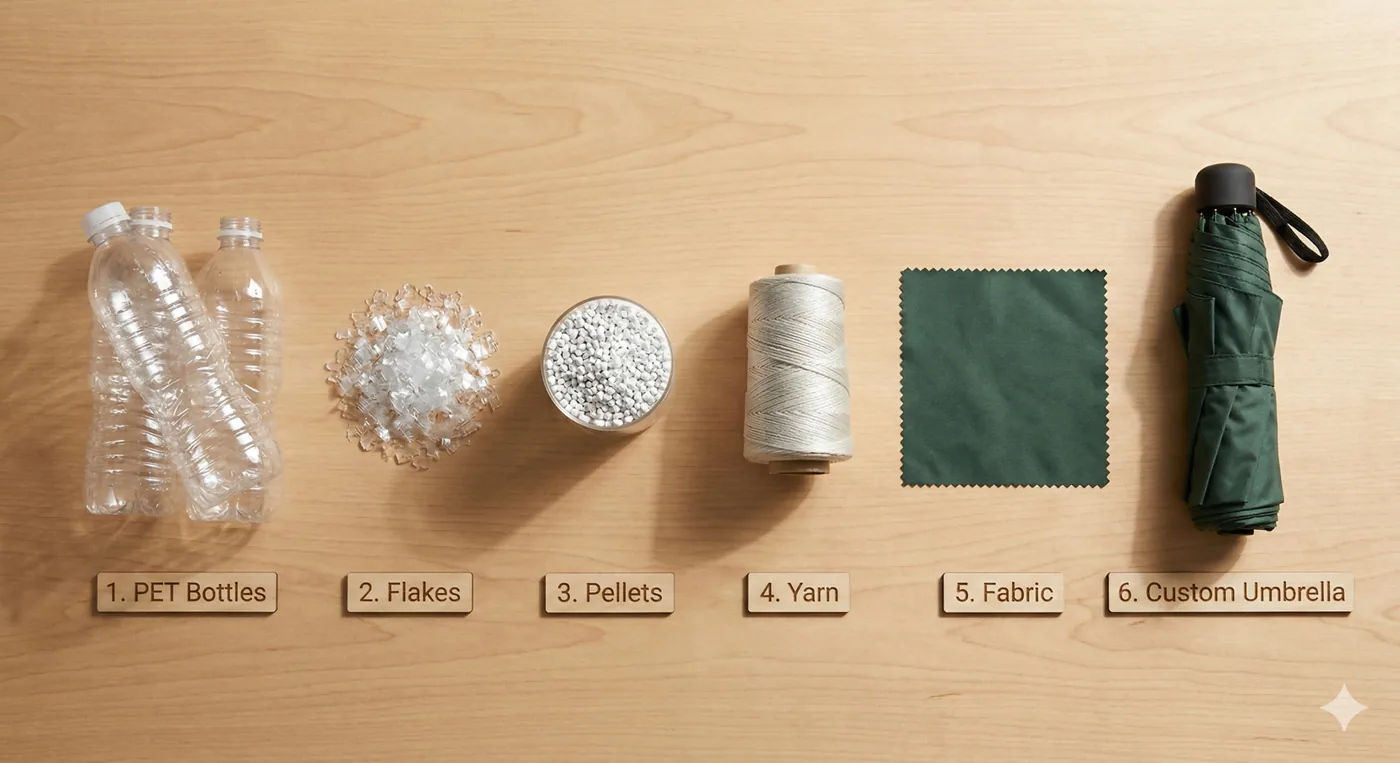
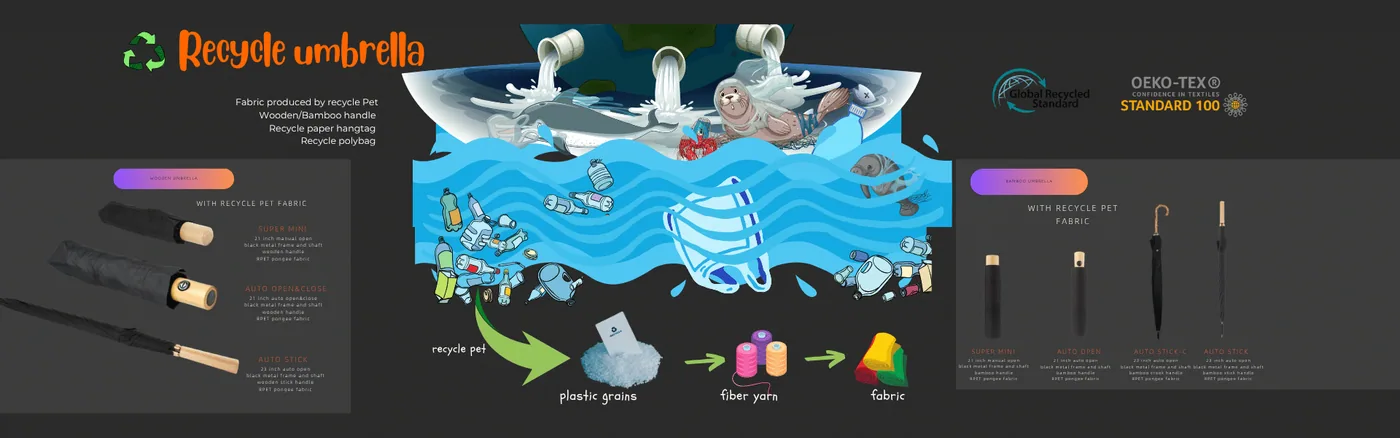
RPET stands for recycled polyethylene terephthalate. In umbrella production, it usually refers to polyester fabric made from recycled PET sources, often plastic bottles. The recycled material is processed into yarn, woven into fabric and then finished for umbrella canopy use.
For buyers, RPET fabric is not a completely different umbrella category. It is a material option that can be used on many umbrella styles, such as folding umbrellas, golf umbrellas, straight umbrellas and promotional logo umbrellas. The key is to confirm whether the selected fabric, color and order quantity can support the recycled material requirement.
Why B2B Buyers Choose RPET Umbrellas
Many buyers choose RPET umbrellas because sustainability has become part of brand communication. Corporate customers, retailers, event organizers and promotional agencies often want products that support environmental messaging without losing practical daily use value.
If the canopy contains verified recycled material, describe that component and its recycled proportion accurately. Intended use, durability and evidence for the specific claim should guide the project. An RPET canopy alone does not establish the environmental performance of the finished umbrella or compliance with an entire ESG program.
Does RPET Fabric Perform Like Standard Polyester?
Compare the selected RPET fabric with the proposed alternative using agreed specifications and tests. Confirm fabric weight, coating, water repellency, color fastness and printing compatibility before approving samples. Recycled origin alone does not establish equivalent performance.
RPET is not automatically higher quality only because it is recycled. Quality depends on yarn, weaving, dyeing, coating and finishing. A good supplier should explain the fabric specification clearly and help match the material with your product use case and target price.
Common Umbrella Styles Using RPET Fabric
RPET fabric can be used across many custom umbrella types. Compact folding umbrellas are popular for corporate gifts, travel programs and retail shelves. Golf umbrellas are suitable for premium outdoor campaigns because the large canopy gives more space for brand visibility and sustainability messaging.
Straight and automatic umbrella designs can also be evaluated with recycled canopy fabric. Choose the style using intended use, sample results, quantity, schedule and quotation. An environmental claim must still match the specified component and its supporting evidence.
Logo Printing on RPET Umbrellas
Most common umbrella logo printing methods can be used on RPET fabric, but buyers should confirm artwork details before production. Screen printing, heat transfer and digital printing may be available depending on fabric color, logo complexity, order quantity and budget.
For eco campaigns, many brands prefer clean logo placement, natural color combinations and simple packaging. If your project requires full canopy printing, request a sample or print test to confirm color performance on the selected recycled fabric. You can also review our guide to custom umbrellas with logo.
Certification and Sustainability Claims
Record the canopy fabric composition, recycled proportion and source type. Where certification is claimed, verify the certificate holder, scope and validity, and request the applicable transaction or order-linked documentation. A material declaration and an independent certification are different forms of evidence; an upstream certificate does not automatically certify the finished umbrella.
Buyers should avoid making vague or exaggerated sustainability claims. Instead of saying only “eco umbrella,” describe the actual material and available documentation. Clear claims help protect your brand and reduce misunderstanding with end customers.
How RPET Affects Cost and MOQ
RPET fabric can cost more than standard polyester depending on material source, color, certification requirement and order quantity. MOQ may also be higher if the buyer needs a custom fabric color or documented recycled material. For standard available colors, MOQ may be easier to manage.
When asking for a quotation, provide the umbrella type, size, fabric requirement, logo artwork, quantity, packaging and delivery country. This helps the factory quote accurately and avoid price changes later. If you are comparing suppliers, make sure each quotation is based on the same RPET requirement.
Packaging Choices for Eco Umbrella Projects
For sustainable umbrella projects, packaging should match the product message. Buyers may choose recycled paper tags, kraft boxes, reduced plastic packaging, paper belly bands or reusable fabric sleeves. Packaging decisions should also consider shipping protection, retail requirements and barcode labels.
If your customer has strict plastic reduction goals, discuss packaging early. Some packaging changes affect cost, carton size and production time. Clear instructions before sampling help the supplier prepare a more accurate solution.
Quality Checks for RPET Umbrella Orders
RPET umbrella orders should still follow normal umbrella quality control standards. Buyers should check fabric appearance, color consistency, waterproof performance, logo printing, frame strength, opening and closing function, handle assembly and packing quality.
If the order includes sustainability documents, confirm documentation requirements before mass production. For factory and compliance evaluation, you may also read our article about BSCI factory audit checks for umbrella suppliers.
How to Brief Your Supplier for an RPET Umbrella Project
A clear sourcing brief helps the supplier recommend the right option. Include umbrella style, canopy size, fabric requirement, preferred colors, logo file, printing position, handle preference, packaging, target quantity, delivery market and required documentation.
If you are not sure which umbrella type is best, start with the project use case. Promotional giveaways may need a cost-effective folding umbrella. Premium outdoor events may need a windproof golf umbrella. Retail programs may need stronger packaging and color planning. Our article about custom umbrella trends for B2B buyers gives more direction on market choices.
Ark Umbrella Can Support RPET Custom Umbrella Orders
Ark Umbrella helps B2B buyers develop custom umbrellas with RPET fabric options, logo printing, frame selection, packaging discussion and bulk production support. We can help compare practical options based on your target market, budget, MOQ and delivery schedule.
If you are preparing an eco-friendly umbrella program, contact Ark Umbrella with your target product type, quantity, logo artwork and sustainability requirement. Our team can help you review suitable RPET umbrella options before sampling.
Sources and buyer references
The links below are included to help buyers verify the external standards, inspection context or trend references behind this sourcing guidance. They do not replace a project-specific quotation, sample approval or written factory confirmation.
- Textile Exchange Global Recycled Standard (GRS) – Use this to support recycled-material verification and chain-of-custody language.
- OEKO-TEX STANDARD 100 – Use this to separate recycled-material claims from textile harmful-substance safety claims.
FAQ: RPET Umbrella Fabric
Is RPET umbrella fabric waterproof?
RPET umbrella fabric can be made water repellent when it uses the correct coating and finishing. Buyers should confirm waterproof performance with samples or testing before bulk production.
Can RPET fabric be used for golf umbrellas?
Yes. RPET fabric can be used for many golf umbrella projects when the fabric specification, color and MOQ are suitable for the order requirement.
Does RPET fabric increase umbrella cost?
It may increase cost compared with standard polyester, especially when certification, custom colors or special documentation are required. Standard available colors may be more cost-effective.
What should buyers confirm before ordering RPET umbrellas?
Buyers should confirm fabric specification, recycled material documentation, logo printing method, MOQ, sample approval, packaging and quality control standards before mass production.
RPET Fabric Sourcing Decision Table
RPET fabric sourcing should connect recycled-material claims with the same practical checks buyers use for any umbrella canopy. The table below turns the fabric question into a supplier-comparison checklist.
| Buyer question | What to confirm | Why it matters |
|---|---|---|
| Is the fabric really RPET? | Specified fabric composition, recycled proportion and order-linked evidence; certification scope where claimed | Matches the wording and scope of the recycled-content claim |
| Will the canopy perform well? | Fabric weight, coating, water resistance and sample feel. | Checks functional quality separately from recycled content |
| Can the logo be printed clearly? | Print method, color, artwork size and sample approval. | Protects brand presentation on recycled fabric. |
| How should the order be packed? | Sleeve, hang tag, carton marks and reduced-plastic options. | Defines packaging requirements and the evidence for each claim |
Related sourcing resource: If you are evaluating recycled umbrella fabrics for real orders, Ark Umbrella’s umbrella manufacturer in China guide explains OEM/ODM capability, MOQ planning, sample coordination and export support. For active RPET projects, send a sourcing brief or contact Ark Umbrella for a quote review.